Arthur · 114 units
Location: Vancouver, WA
Farragut, Kenton, Ashley, Fircrest, Livingstone
Watch this project’s journey:
InstagramSee more on this project:
View the projectLarger Projects · Arthur the Developer
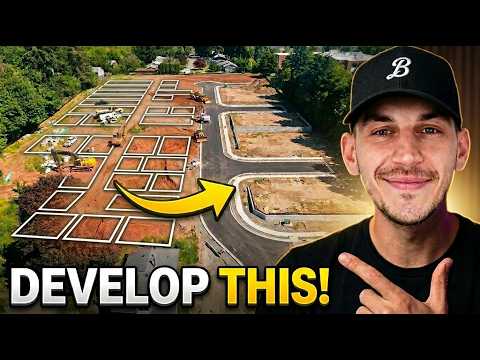
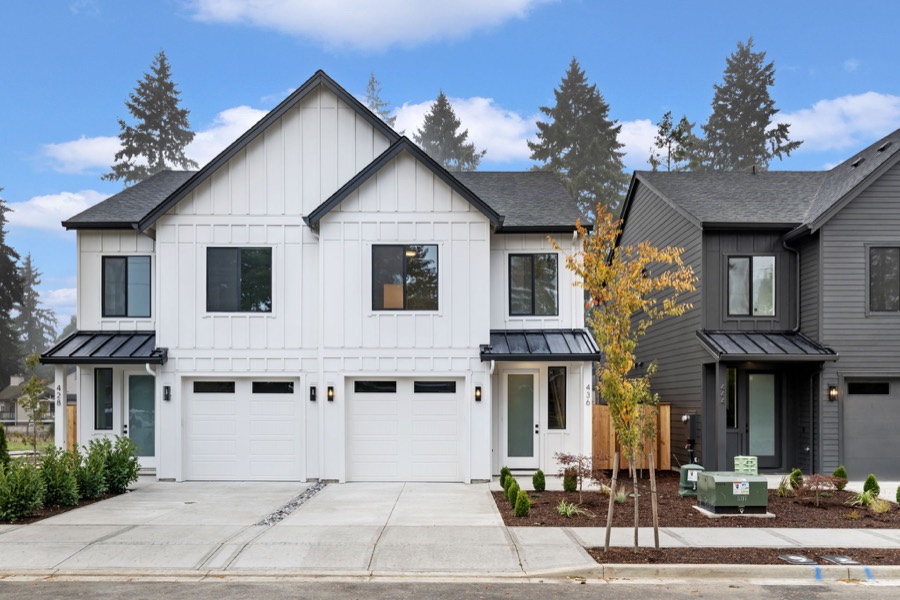
Part 1 of the Fircrest subdivision: the site development phase on a 28 townhome project.
Full guide: Larger Projects →This is site development, the part of the business that happens entirely underground. Fircrest is a 28 townhome project, and phase one is four duplex buildings, eight units. Before any of them can be built, the land has to become legal lots, and that is a different job from construction.
Development is everything you see under the ground: sewer, water, power, storm, curbs, sidewalks, pavement, grading. Construction is everything that goes up. Arthur is not a GC. He hires one for the vertical work and runs the horizontal himself, because development, negotiation, and getting these properties under contract is the part he actually loves.
About a year of city process to confirm the land is approved for what the code allows.
A civil engineer designs how the site actually gets built.
Excavators and underground contractors put in the sewer, storm, water, power, grading, curb, sidewalk, and pavement.
The plat is the document showing every legal lot you are creating. The city reviews it, then the county reviews it against what was approved.
The county records it, and one big parcel legally becomes many small ones. Only then can you submit building permits.
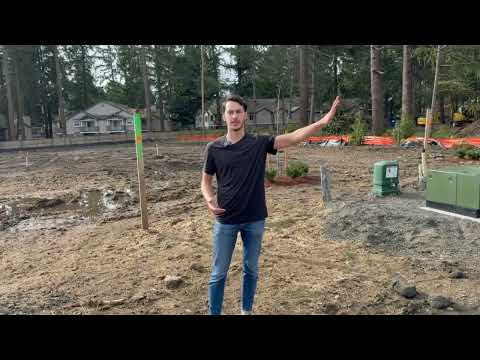
When laterals are installed, the contractor marks where each one stubs out with a 2x4, spray painted by utility: green for sewer, white for storm. Months later, when the building goes in, the excavator digs at that stake knowing exactly where the connection point is. Water usually just gets a meter box rather than a stub.
The steel plates in the road cover open trenches where manholes will go, required every so many feet depending on the jurisdiction. Down in the trench, a shoring box keeps the walls from collapsing on whoever is connecting the pipe.
Asked whether a given pipe was sewer or storm, Arthur said it did not matter to him. He hired the experts, they are following plans the city stamped, the city signs it off, and he does not pay the bill until it is done correctly. That is the whole management model.
After grading, a geotech engineer tests the soil for compaction, because dirt that settles later takes your house down with it. Big rollers compact it, then the geotech confirms it will hold. Bad soil gets removed and replaced with structural fill, and sometimes rock, gravel, or sand gets brought in.
The other half is infiltration: how fast the soil absorbs water. If it rains 5 inches in an hour and the soil infiltrates 10 inches an hour, you are fine. Clay soil that infiltrates 1 inch an hour means that same rain sits for five hours. Sandy or rocky soil is what you want, and good infiltration was one of the reasons this site was worth buying.
During the city process, before closing, Arthur found a 10 foot water easement running across the property, a strip he could never build on. It removed three units from the plan, taking the project from 31 to 28. Because he had not bought the property yet, he went back to the owner and negotiated the value of that lost land off the purchase price.
There are several conventions: per acre, per usable acre, or per unit. On townhome lots, $30,000 per unit was fair here. On a 10 acre development you might work at $100,000 to $300,000 an acre. But the convention is only a sanity check. Arthur runs it backward: what do the finished lots sell for, what does it cost to develop, what do the soft costs to get approved run, what profit do I want, and what is left is the land price. He wants 25% to 30%.
And the value of land changes entirely with what you are allowed to build on it, which is why code is the one thing he insists on being expert in. He hires civil engineers, geotech, surveyors, and underground contractors. He does not need to know their jobs. He needs to know what the site can legally hold, because that is what sets the price.
Phase one is eight units, not 28, deliberately. You do not want interest payments running on all 28 townhomes at once. Build eight, sell them, then start the next group.
Ready to stop watching and start building?
Join the BuildUp Challenge and book a call with our team.
Join the BuildUp ChallengeWatch more on Arthur's channel.
Development is horizontal, everything under the ground: sewer, water, power, storm, grading, curbs, sidewalks, and pavement. Construction is vertical, everything that goes up. Arthur runs the development himself and hires a general contractor for the vertical work.
Preliminary land use approval, roughly a year of city process. Then civil engineering to design the site build. Then site work by an underground contractor. Then you submit the plat showing every legal lot, the city and county review it, and the county records it. Only then can you submit building permits.
Two reasons. Compaction: a geotech engineer tests whether the ground will hold a house, and bad soil gets removed and replaced with structural fill. And infiltration: if the soil absorbs 10 inches an hour and it rains 5, you are fine. Clay that infiltrates 1 inch an hour leaves that same rain sitting for five hours.
If you find it before closing, it becomes a negotiation. A 10 foot water easement on this site removed three units, taking it from 31 to 28, and Arthur negotiated the value of that lost land off the purchase price. The same easement found after closing is a pure loss.
Conventions exist, per acre, per usable acre, or per unit, and $30,000 per unit was fair on these townhome lots. But treat that as a sanity check. The real number comes from working backward: what the finished lots sell for, minus development cost, minus soft costs to get approved, minus a 25% to 30% margin.
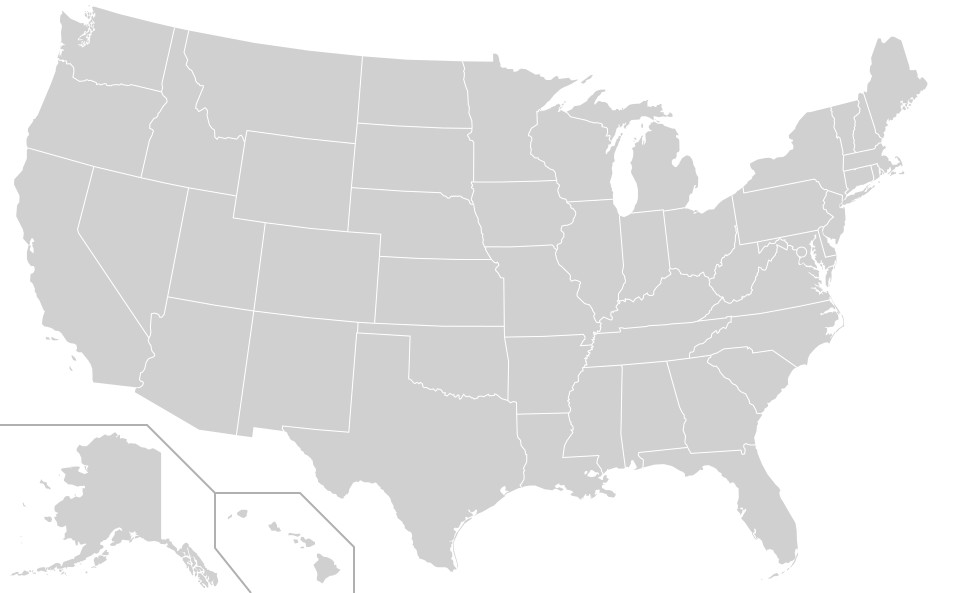
Nationwide
65+ active member builds, 300+ units in progress, across 20+ states. Click a market to see who is building there.
346
Units developing live
49
Markets
Location: Vancouver, WA
Farragut, Kenton, Ashley, Fircrest, Livingstone
Watch this project’s journey:
InstagramSee more on this project:
View the projectClick this market again for the next build here.
Your next step
New to development
A step-by-step challenge to line up your first deal, with our team beside you.
Join the ChallengeLive every week
Arthur and Ruben break down real deals and answer your questions in a live Q&A.
Join the live masterclassReady to build
Development consulting for people ready to put a real deal together now.
Explore consultingFree Resources
The templates, guides, and live sessions we hand every new member.
Real 2026 build costs for 43 US markets, from Arthur's own price map, with a live profit calculator.
Explore →Free PDFThe complete roadmap from land to sale, free.
Get it →Free AccessFree resources and every member story in one place.
Get it →Live WeeklyLive masterclass, weekly on Tuesdays. How to become a developer even with zero construction experience.
Get it →Free TemplateThe letter we use to reach lot owners directly, plus the training to use it.
Get it →Starter KitEverything you need to get moving on your first development, in one place.
Get it →Free CourseOur full 2.5-hour course on becoming a developer, land to exit, free on YouTube.
Get it →