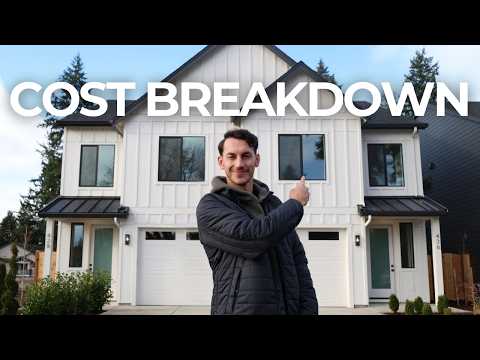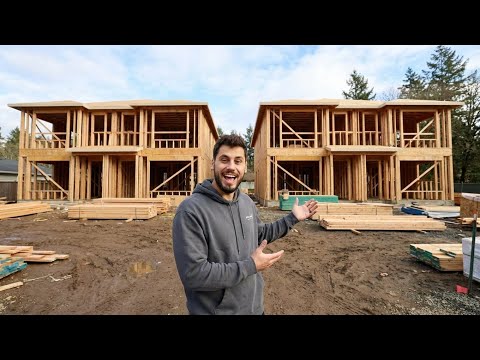
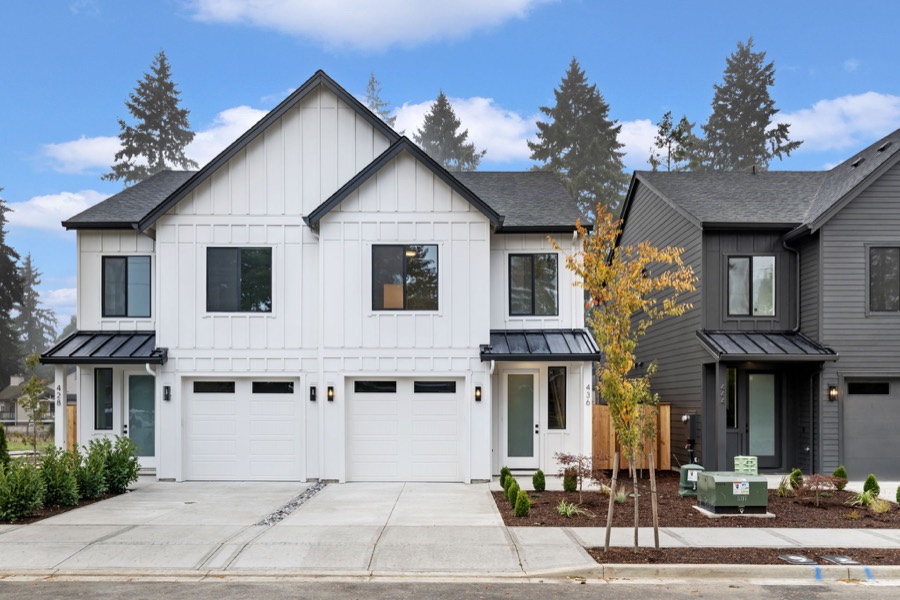
Arthur · 114 units
Location: Vancouver, WA
Farragut, Kenton, Ashley, Fircrest, Livingstone
Watch this project’s journey:
InstagramSee more on this project:
View the projectOur 3-step system for finding and locking up land off market, from picking a zip code to signing the contract.
Full guide: Numbers & Deals →The average builder makes about 15% ROI on a spec build. Ruben consistently runs 25% to 30%, and the difference is not how he builds, it is where he buys. Land sitting on the MLS has already been reviewed and passed on by multiple builders. Here is the three phase system for finding it off market instead.
The most common mistake is searching before knowing where to look. People scan a whole county, build a spreadsheet of 400 properties, and close zero deals. Pick one zip code, two if they are adjacent, and learn everything about it: proximity to parks, lot sizes, slope, and what new construction is selling for.
Filter listings to 2024 or newer and answer three questions. Is anyone building here at all? If not, move on. What are they building: single family, duplexes, a single family with an ADU? That decides your product. And what are they selling for? That decides what you can pay for land.
Search your city and state plus the word county to find your county name, then search that county plus GIS or property information center. Inside the portal, look for vacant lots and underdeveloped properties. Every owner name and mailing address is public record, so write them down. That is your list.
These owners get postcards every week promising cash and a quick close, and there is a stigma attached to selling to a wholesaler. You are genuinely different, so sound different: you are the builder, you are improving the property, you are the one doing the work.
Write a real letter. Handwritten, with a photo, and a few personal lines. My name is Ruben, I am a builder, I am a family man with four kids. It does not need to be an essay, it needs to be direct and human. One owner told Ruben he had dozens of those letters on his table and answered exactly one, because it had a story in it. That letter became a 27 lot subdivision.
Pull the jurisdiction's zoning table. Find your designation on the left, read across the permitted uses on top: single family, duplex, multifamily, commercial. If it supports the product your comps say the market wants, check it off.
Ask whether a perc test has been done and whether neighboring lots run septic. Turn on the sewer overlay in the county GIS map to see where the mains and laterals sit. Sewer 20 feet away is fine. Sewer 300 feet away is a serious problem. On locate maps, water is typically blue, sewer green, electric red, and gas yellow.
Be genuinely analytical. Put 20 properties into a spreadsheet, find the common denominators, and you will know exactly what to build, whether zoning allows it, and whether the utilities can serve it.
Across hundreds of builds the working range is 10% to 20% of the final build value, for a fully buildable lot with utilities already there. On a $1 million home that is $100,000 to $200,000. Ruben pays up to 25% in his own market because the numbers support it; members in other markets find their sweet spot at 10% to 12%. Research what everyone else in your market is paying and you will find the local number.
Then set your ROI target, 25% on most deals, and the formula is complete: land price band, construction cost, sale price, required return. Put it in a spreadsheet yourself. Do not let a wholesaler or an agent hand you their numbers. Learn to fish.
Never lead with a flat offer. Ruben had a deal that would not pencil, so instead of walking he asked the seller what he actually needed right now. The answer was a boat, and $15,000 would buy it. Ruben offered $20,000 down with the seller financing the rest while he permitted the property. The seller said yes, kept a loan on the property, spread his capital gains because only $20,000 hit his account, and Ruben was into the deal for $20,000 total.
That is the pattern. Find the problem, then tailor the structure: a fast cash close, a seller financed note, or a long term contract that lets you create value and refinance out of the created equity. Plenty of owners who have held land for a decade are perfectly happy to hold it another six to twelve months with an agreement in place.
Two windows. Feasibility is your time to draw, engineer, submit, and get building permits approved, and it is where your earnest money stays protected. Ruben is closing a deal now with 90 days of feasibility followed by a 30 day closing window, meaning he can walk for 90 days without losing his deposit. Size feasibility to your jurisdiction’s real permit timeline. The closing window is for assembling the loan, and approved permits in hand get you materially better lending terms.
Ready to stop watching and start building?
Join the BuildUp Challenge and book a call with our team.
Join the BuildUp ChallengeWatch more on Ruben's channel.
The average builder makes about 15% ROI on a spec build. Ruben consistently runs 25% to 30%, and the difference is where he buys, not how he builds. Land sitting on the MLS has usually already been reviewed and passed on by multiple builders.
Search your city and state plus the word county to get your county name, then search that county plus GIS or property information center. Inside the portal, pull vacant lots and underdeveloped parcels. Every owner name and mailing address is public record.
Position yourself as the builder who will improve the property, not a cash buyer promising a quick close. Handwritten, with a photo and a few real personal details. One owner told Ruben he had dozens of letters on his table and answered only his, because it had a story in it. That letter became a 27 lot subdivision.
Three checks in ten minutes. Zoning: find your designation on the jurisdiction's zoning table and read across the permitted uses. Utilities: turn on the sewer overlay in the county GIS map, and check whether neighboring lots run septic. Comparables: put 20 properties in a spreadsheet and find the common denominators.
Ask what they actually need before naming a price. One seller told Ruben he wanted a boat and needed $15,000. Ruben offered $20,000 down with the seller financing the rest while he permitted the property. The seller kept a note, spread his capital gains, and Ruben was into the deal for $20,000 total.
Nationwide
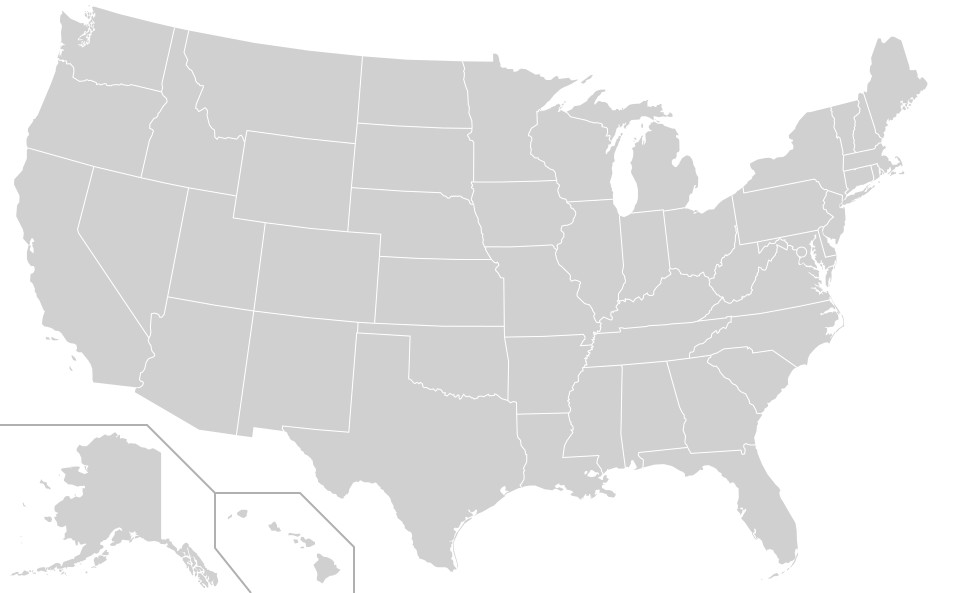
65+ active member builds, 300+ units in progress, across 20+ states. Click a market to see who is building there.
346
Units developing live
49
Markets
Location: Vancouver, WA
Farragut, Kenton, Ashley, Fircrest, Livingstone
Watch this project’s journey:
InstagramSee more on this project:
View the projectClick this market again for the next build here.
Your next step
New to development
A step-by-step challenge to line up your first deal, with our team beside you.
Join the ChallengeLive every week
Arthur and Ruben break down real deals and answer your questions in a live Q&A.
Join the live masterclassReady to build
Development consulting for people ready to put a real deal together now.
Explore consultingFree Resources
The templates, guides, and live sessions we hand every new member.
Real 2026 build costs for 43 US markets, from Arthur's own price map, with a live profit calculator.
Explore →Free PDFThe complete roadmap from land to sale, free.
Get it →Free AccessFree resources and every member story in one place.
Get it →Live WeeklyLive masterclass, weekly on Tuesdays. How to become a developer even with zero construction experience.
Get it →Free TemplateThe letter we use to reach lot owners directly, plus the training to use it.
Get it →Starter KitEverything you need to get moving on your first development, in one place.
Get it →Free CourseOur full 2.5-hour course on becoming a developer, land to exit, free on YouTube.
Get it →