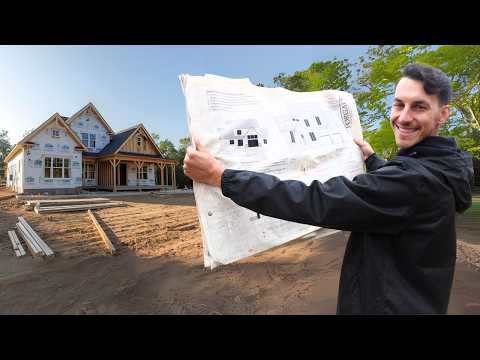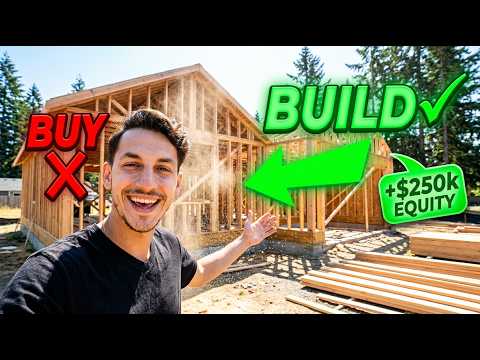
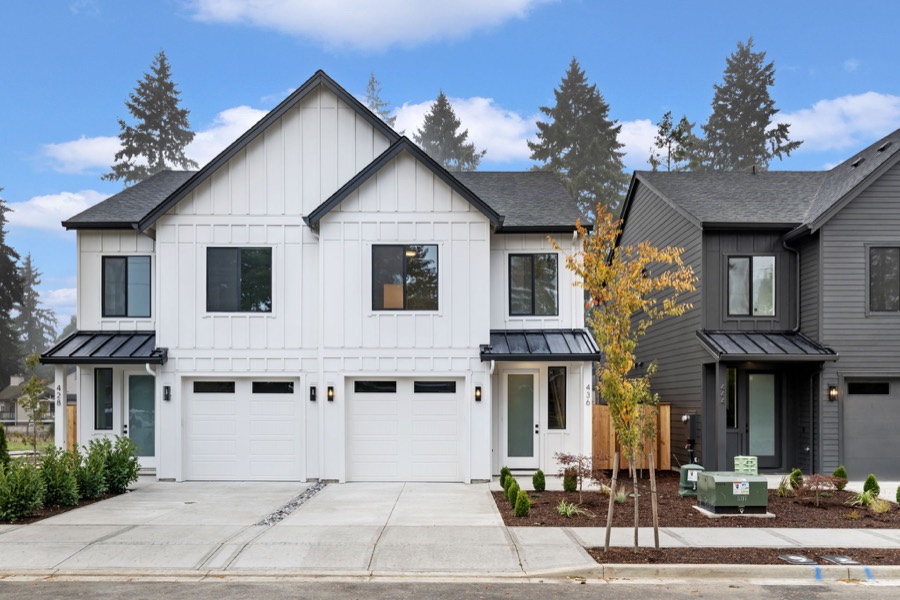
Arthur · 114 units
Location: Vancouver, WA
Farragut, Kenton, Ashley, Fircrest, Livingstone
Watch this project’s journey:
InstagramSee more on this project:
View the projectThe 7 Steps · Arthur the Developer
Our full 7-step process for building and selling a home as a developer, from picking the lot to closing the sale.
Full guide: The 7 Steps →You do not need a general contractor license or a construction background to build and sell homes. Arthur has run 250+ doors and 1,000+ developed lots on the same seven steps every time, and the whole point of a repeatable process is that it removes the guessing. Here is the full sequence, with the numbers that decide whether a deal is worth doing.
Not raw land, buildable land. Three utilities decide it: sewer, water, and power. For sewer and water, confirm whether each is public or private, because private means a septic system or a well. Then confirm zoning, which tells you whether the lot holds a single family home, a duplex, a triplex, or a fourplex.
Locate the utilities, check the slope and what building on it would cost, then run the three numbers: what the finished project sells for, what it costs to build, and what that leaves for the land.
Do not reinvent the wheel. Copy the product other builders in the area are already selling quickly. Your designer or architect works with a structural engineer to produce a full engineered plan set.
Submittals are electronic now. Your design team assembles the plan set and the site plan and works the jurisdiction's checklist. Approval can take a day in a small county or six months in a big city.
Never plan to pay cash for the whole build. Get a term sheet, understand the interest rate, the origination fee, the closing costs, and the loan to value, then close.
Arthur calls this adult babysitting. Hire a spec builder on a cost plus basis, not a custom home builder, and manage to the milestones.
The city signs off with a certificate of occupancy. Then you either occupy it, list it with a new construction agent, or rent it, stabilize it, and refinance.
Underwriting is three questions, in this order. What would this sell for finished? What does it cost to build? And based on those two, what can the land cost? The land should land at roughly 20% or less of the finished value, so a duplex worth $1 million supports a lot around $200,000 or less.
Construction cost is regional. Nationwide the working range is $100 to $180 per square foot: the $150s on the West Coast, the $100s around Texas, the $120s and $130s in the Southeast. Add the builder fee on top of that, then check the return.
If you are building a house you will live in, the down payment is 5% of the total cost, and that total includes the land, the construction, and the builder fee. On a $700,000 build that is $35,000 down, plus around $10,000 in closing costs, on a project carrying $200,000+ of equity. The lender underwrites you: a W2 and a credit score, or two years of tax returns if you own a business.
If you would rather skip that and build as an investment, hard money and private lenders do not care nearly as much about credit, but they want more cash. Plan on roughly 15% down plus 3 to 5% in closing costs, so about 20% all in. On the same $700,000 project that is around $140,000 to make roughly $250,000.
The term sheet is the lender’s offer: rate, origination fee, closing costs, and how much they will lend against the value. Origination is where the lender makes its money, and on hard money it runs 1% to 3% of the loan. Arthur pays 0.75% to 1%. A first time builder should expect 2% to 2.5%. To get term sheets you need three things ready: the plans, the budget your builder helps you assemble, and the site plan.
This one line changes the whole math. A custom home builder marks everything up and you end up at $300 per square foot. A spec builder charges cost plus a fee: $150 per square foot plus either a flat fee or 8% to 15% on top. On a $400,000 build a 10% fee is $40,000, so you are at $440,000, not $700,000. The builders you want are the ones who already buy lots, build, and sell.
If it is your personal house, the certificate of occupancy comes first, then the appraiser verifies the finished home and the loan floats down to the current rate as a 30 year mortgage. If you are selling, work with a new construction agent, because they specialize in these builds and carry a different buyer base. If you are renting, rent it first, stabilize it, then refinance with a traditional bank or a competitive lender.
Ready to stop watching and start building?
Join the BuildUp Challenge and book a call with our team.
Join the BuildUp ChallengeWatch more on Arthur's channel.
No. Arthur has run 250+ doors without holding a contractor license. You hire a spec builder on a cost plus basis and manage the seven step process yourself: find the lot, underwrite it, draw plans, permit it, finance it, build it, and exit.
Three utilities and the right zoning. Sewer, water, and power must reach the property, and you need to know whether sewer and water are public or private, because private means a septic system or a well. Zoning then tells you whether the lot supports a single family home, a duplex, a triplex, or a fourplex.
Roughly 20% or less of the finished value of the project. If the duplex you are building is worth $1 million when it sells, the lot should cost about $200,000 or less. Anything higher eats the margin you are building for.
On a personal home it is 5% of the total cost including land, construction, and the builder fee, so about $35,000 on a $700,000 build, plus roughly $10,000 in closing costs. On an investment build with hard money or a private lender, plan on about 15% down plus 3 to 5% in closing costs, so roughly 20% all in.
A spec builder charges cost plus a fee, typically 8% to 15% or a flat fee, so a $400,000 build with a 10% fee costs $440,000. A custom home builder marks up every line and the same house lands near $300 per square foot. Hire the builder who already buys lots, builds, and sells.
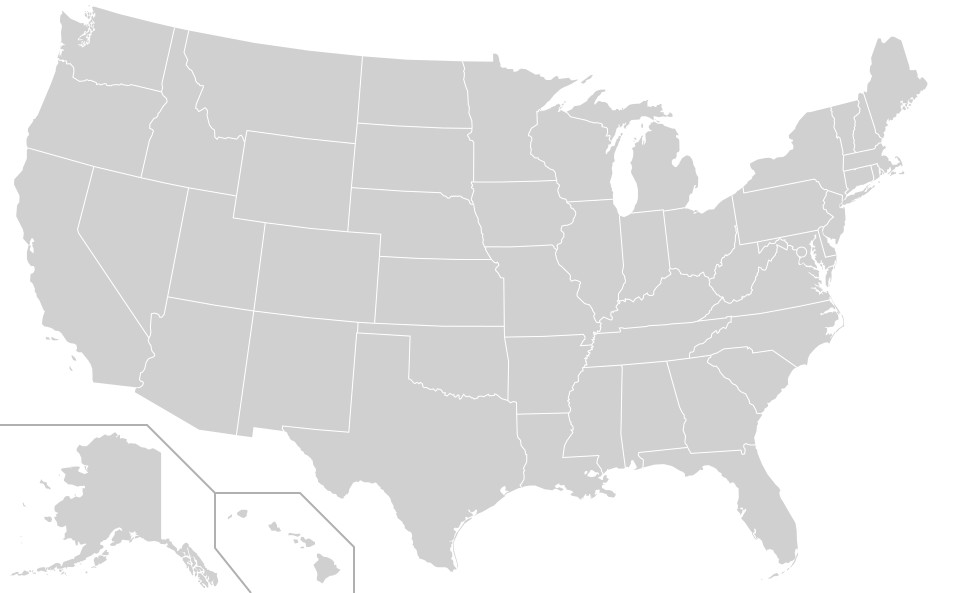
Nationwide
65+ active member builds, 300+ units in progress, across 20+ states. Click a market to see who is building there.
346
Units developing live
49
Markets
Location: Vancouver, WA
Farragut, Kenton, Ashley, Fircrest, Livingstone
Watch this project’s journey:
InstagramSee more on this project:
View the projectClick this market again for the next build here.
Your next step
New to development
A step-by-step challenge to line up your first deal, with our team beside you.
Join the ChallengeLive every week
Arthur and Ruben break down real deals and answer your questions in a live Q&A.
Join the live masterclassReady to build
Development consulting for people ready to put a real deal together now.
Explore consultingFree Resources
The templates, guides, and live sessions we hand every new member.
Real 2026 build costs for 43 US markets, from Arthur's own price map, with a live profit calculator.
Explore →Free PDFThe complete roadmap from land to sale, free.
Get it →Free AccessFree resources and every member story in one place.
Get it →Live WeeklyLive masterclass, weekly on Tuesdays. How to become a developer even with zero construction experience.
Get it →Free TemplateThe letter we use to reach lot owners directly, plus the training to use it.
Get it →Starter KitEverything you need to get moving on your first development, in one place.
Get it →Free CourseOur full 2.5-hour course on becoming a developer, land to exit, free on YouTube.
Get it →