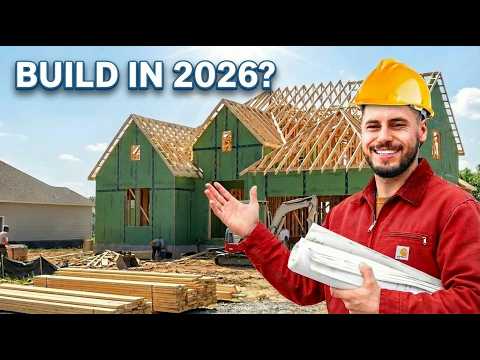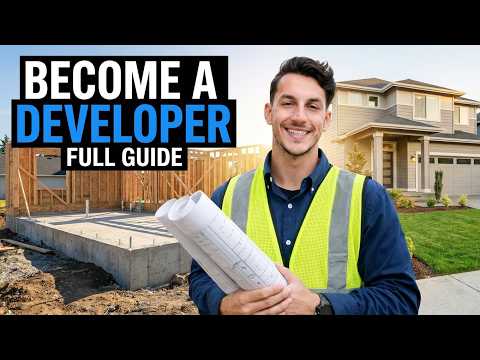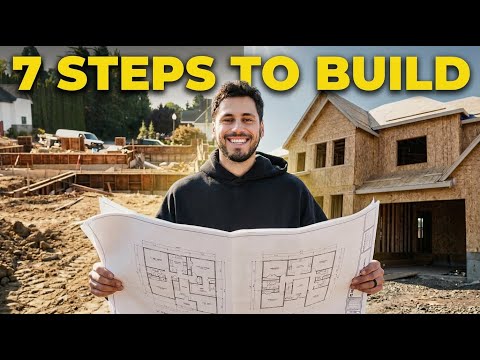
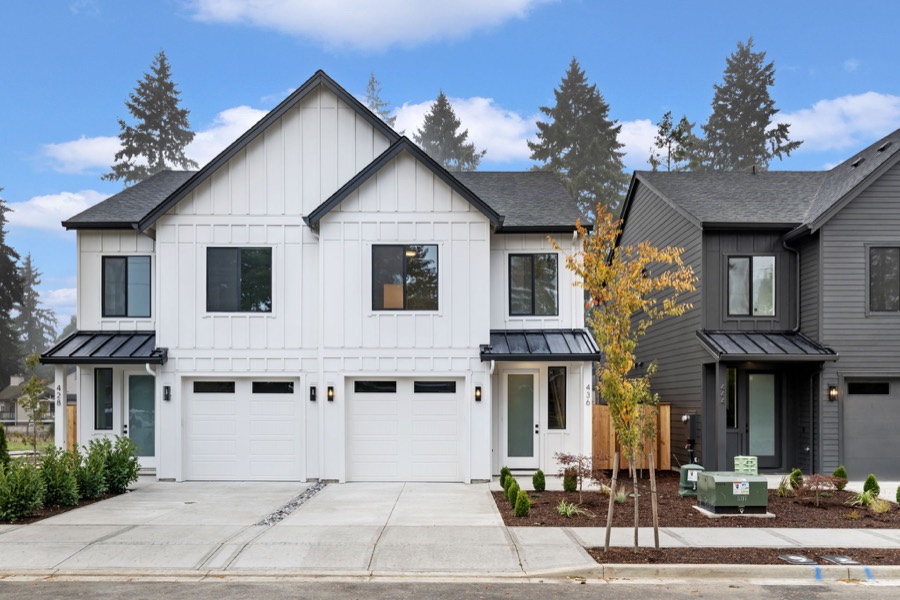
Arthur · 114 units
Location: Vancouver, WA
Farragut, Kenton, Ashley, Fircrest, Livingstone
Watch this project’s journey:
InstagramSee more on this project:
View the projectGetting Started · Arthur the Developer
Our long-form UpFlip interview covering how we went from flipping cars and printing t-shirts to running a full development company.
Full guide: Getting Started →UpFlip followed Arthur across three live projects for a full day: a 100-year-old house about to become a sixplex, a 28-townhome subdivision on day one of breaking ground, and a finished 25-townhome community. Along the way he opened up the whole journey, from flipping a $1,100 Volkswagen at 15 to 250+ homes and $84M+ developed and sold, all in his 20s. This is the written version.
At 15, Arthur saved up and bought a 2001 Volkswagen Golf for about $1,100, cleaned it up, posted it on Craigslist, and sold it for about $2,100. Doubling that first money was the taste of entrepreneurship. Years of buying and selling cars followed, saving $1,000 to $2,000 a month. Meanwhile he kept reading the same statistic: 80% of millionaires are made in real estate. Through a relationship he landed an internship with a developer who had been doing it for 20 years, and that exposure changed the target from fix and flip to development.
From the day he said “I want to do a deal” to the day he did one took 4 years, all while working a full-time job. The first deal was nothing fancy: a wholesaler brought him a lot and upcharged $20,000. The $50K down payment was years of car-flipping savings. The loan was hard money at 3% in fees plus 12% interest. He paid a builder $20,000 to run the build. Six months later the house sold and he profited about $47,000, doubling money it took him years to save. That was the aha moment, and it all happened while he stopped by the site just every couple of days.
Asked how he would restart from scratch with $1,000, Arthur laid out three stages. Stage one is deal finding: get good at finding land for builders and developers and collect a fee per deal. He still does it today; on one recent deal he put a lot under contract for $215,000, sold it to an excavating contractor for $250,000, and netted $29,000 with zero dollars of his own in the deal. Stage two is building, and the cheapest entry is the personal house: land plus construction with about 5% down, so roughly $35K in on a $500,000 build that can hand you six figures of equity on day one. Stage three is development, where the same skills run bigger projects and bigger checks.
The sixplex behind him in the interview shows the edge. He bought the property for $276,000, planned about $1 million of construction, and projected a $1.6M to $1.7M finished value, closer to a 35% return. Most buyers saw a house and maybe a duplex. The zoning actually allowed up to 15 units, street loaded, so every unit walks out to the street. Reading that meant six units instead of four on the same land cost, and an extra $15,000 per unit on top.
The subdivision breaking ground that day was a 1.5-acre parcel he paid $697,000 for, sourced off market through a referral and letter campaigns. He signed a 9-month contract and used that window for feasibility, permits, plans, and design before ever owning the land. One set of duplex plans cost about $3,000, roughly a dollar per square foot, then got reused across the lots for a few hundred dollars each with different colors and siding. He phases the build, 8 units first and 19 after, because selling phase one funds phase two and lets him sleep at night.
His 15-unit apartment project taught the expensive lesson: a 12-month loan expired right as the build finished, and the extension fee was $70,000. An 18-month loan would have cost about $5,000 more at closing. Every loan he signs now runs 18 to 24 months, with 5 to 6 months of contingency past the honest timeline to build, then sell or rent.
Arthur has raised nearly $10 million in capital and says he never made the first call. Investors reached out after watching him document builds and post them. One downtown Vancouver deal used $97,000 of an investor’s money and netted $235,000 on the sale, about a 240% return on the cash in. His advice: get one home built, document it, post it, and let the track record do the raising.
Ready to stop watching and start building?
Join the BuildUp Challenge and book a call with our team.
Join the BuildUp ChallengeWatch more on Arthur's channel.
He started flipping cars at 15, doubling $1,100 on his first Volkswagen, then landed an internship with a developer who had 20 years in the game. No construction background, no real estate license. His first build happened while he worked a full-time W2 job.
About $47,000 in profit after 6 months. He put down $50K saved from years of car flipping, paid a wholesaler $20K for the lot, paid a builder $20K to run the construction, and took hard money at 3% in fees plus 12% interest. The deal roughly doubled his money while he kept his job.
You can start at zero with deal finding: put land under contract and sell it to builders and developers for a fee. Arthur netted $29,000 on one recent assignment with no money in. If you want to build, the personal house route runs about 5% down, roughly $35K on a $500,000 build, for six figures of equity.
Arthur's rule from the interview is a 20% return on investment minimum, 25% preferred. If a market cools while you sit at a 10% margin, the deal can wipe you out. His sixplex project pencils closer to 35% because the zoning allowed six street-loaded units instead of four.
From the interview: roughly $150 to $175 per square foot on the West Coast, $100 to $110 around Texas, $150 to $160 near Chicago, and $110 to $120 in Florida, land not included. A builder's fee typically adds 10% to 20% on top of construction cost.
Nationwide
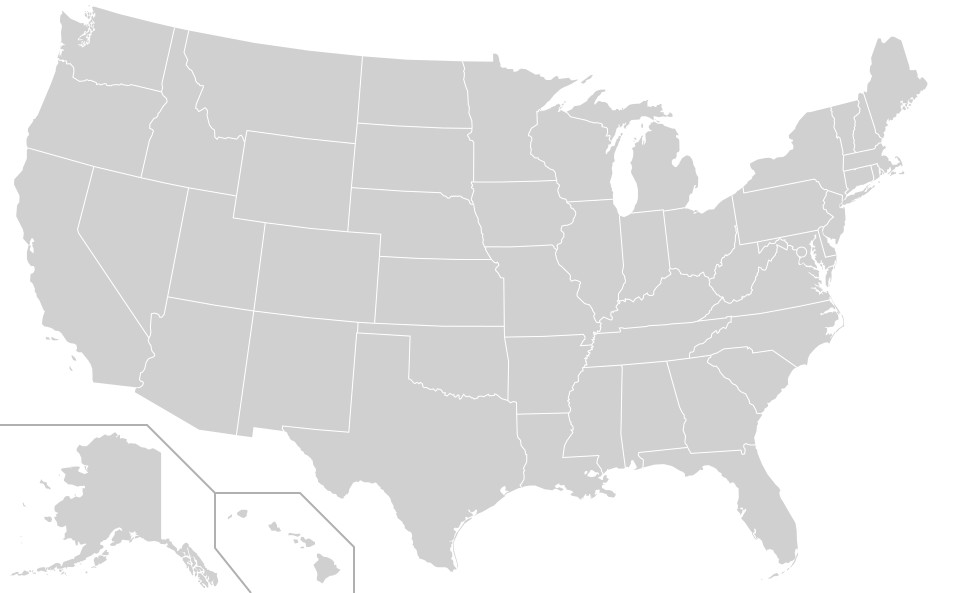
65+ active member builds, 300+ units in progress, across 20+ states. Click a market to see who is building there.
346
Units developing live
49
Markets
Location: Vancouver, WA
Farragut, Kenton, Ashley, Fircrest, Livingstone
Watch this project’s journey:
InstagramSee more on this project:
View the projectClick this market again for the next build here.
Your next step
New to development
A step-by-step challenge to line up your first deal, with our team beside you.
Join the ChallengeLive every week
Arthur and Ruben break down real deals and answer your questions in a live Q&A.
Join the live masterclassReady to build
Development consulting for people ready to put a real deal together now.
Explore consultingFree Resources
The templates, guides, and live sessions we hand every new member.
Real 2026 build costs for 43 US markets, from Arthur's own price map, with a live profit calculator.
Explore →Free PDFThe complete roadmap from land to sale, free.
Get it →Free AccessFree resources and every member story in one place.
Get it →Live WeeklyLive masterclass, weekly on Tuesdays. How to become a developer even with zero construction experience.
Get it →Free TemplateThe letter we use to reach lot owners directly, plus the training to use it.
Get it →Starter KitEverything you need to get moving on your first development, in one place.
Get it →Free CourseOur full 2.5-hour course on becoming a developer, land to exit, free on YouTube.
Get it →